
Responsible Gambling in Pakistan: How to Stay Safe and Play Smart
Gambling is a topic that carries a lot of weight in Pakistan, both legally and culturally. While the laws in Pakistan strictly prohibit most forms of gambling, the reality is that many people still find their way to online betting platforms, offshore casinos, and even local card games played for money. This creates a tricky situation where people often engage in these activities without any safety nets, proper regulations, or even basic knowledge about how to keep themselves from falling into harmful patterns. The concept of responsible gambling in Pakistan is not just about following rules; it is about protecting your finances, your mental health, and your relationships while engaging in an activity that carries inherent risks.
When we talk about responsible gambling in Pakistan, we are not encouraging you to bet. Instead, we are focusing on harm reduction. If you choose to gamble, there are ways to do it that are less likely to ruin your life. The core idea is to treat gambling as a form of entertainment, not as a way to make money or solve financial problems. It is about setting boundaries before you even start, understanding that the house always has an edge, and knowing when to walk away. This guide will walk you through the practical tools you need to stay in control, the warning signs that indicate a problem is developing, and the resources available to you if you need help.
Many players in Pakistan are completely unaware of the tools that responsible gambling platforms offer. For instance, if you bet on a cricket match during the Pakistan Super League (PSL) season, you can quickly get caught up in the excitement. The adrenaline rush, the social aspect of watching with friends, and the constant notifications from betting apps can make it very hard to make rational decisions. This is why having a pre-determined plan is so critical. You need to decide how much money you can afford to lose before you even log in, and you need to stick to that number no matter what. This article will explain exactly how to do that, step by step, in the Pakistani context where access to formal support systems is still very limited.
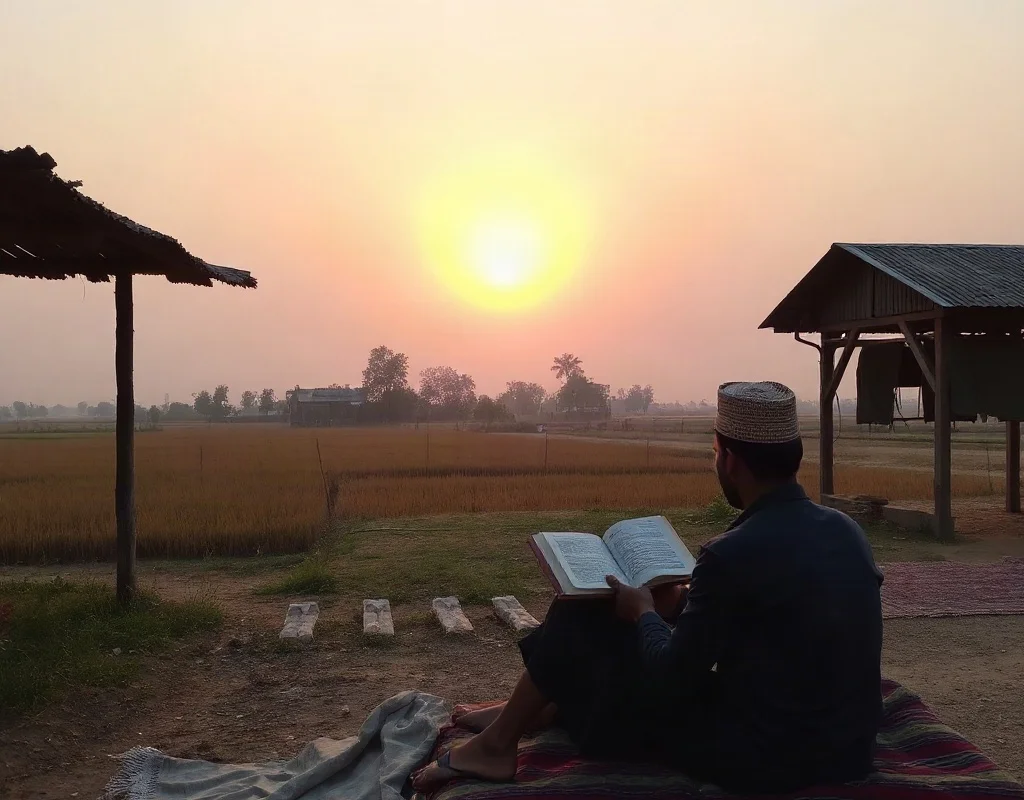
Understanding Responsible Gambling in Pakistan
The term responsible gambling in Pakistan might sound like an official concept, but it is essentially about personal accountability applied to betting practices. Because local gambling laws are very strict, the industry operates mostly in a grey or black market through international websites. This lack of local regulation means that there is rarely anyone looking out for the player. There is no Pakistani ombudsman to complain to if an offshore site refuses to pay your winnings, and there is no legal framework protecting you from fraud. This makes personal responsibility even more important than it would be in a regulated market like the UK or Malta.
In simpler terms, responsible gambling in Pakistan means that the onus is entirely on you. International platforms that accept Pakistani players often do have responsible gambling tools built into their software, but the player has to actively choose to use them. These tools include deposit limits, loss limits, wagering limits, and time-out sessions. For example, you might set a monthly deposit limit of PKR 10,000. Once you hit that limit, the platform will block you from depositing any more money until the next month starts. This is a concrete way to cap your losses, even when you are feeling impulsive after a bad losing streak.
However, there is a significant gap between the tools being available and players actually using them. A majority of Pakistani bettors do not even know these features exist. They just open an account, link their digital wallet like EasyPaisa or JazzCash, and start betting. The mindset is often focused on winning big rather than on losing gracefully. To engage in responsible gambling in Pakistan, you must first acknowledge the mathematical reality: the odds are stacked against you. Every game has a house edge, whether it is roulette, slots, or sports betting. Over time, the probability is that you will lose money. Accepting this fact is the first step towards gambling safely.
It is also crucial to ask yourself why you are gambling in the first place. Is it for fun, social interaction, or the thrill of competition? Or are you trying to recover money you have already lost, or chasing a dream of financial freedom? If your motivation falls into the latter category, you are entering dangerous territory. Gambling should never be considered a source of income. It is an expense, like going to the movies or buying a fancy dinner. By shifting your perspective and viewing every bet as buying a ticket for entertainment, you align yourself with the core principles of responsible gambling in Pakistan. You are paying for the excitement of not knowing the outcome, and that is where the value lies, not in the potential payout.
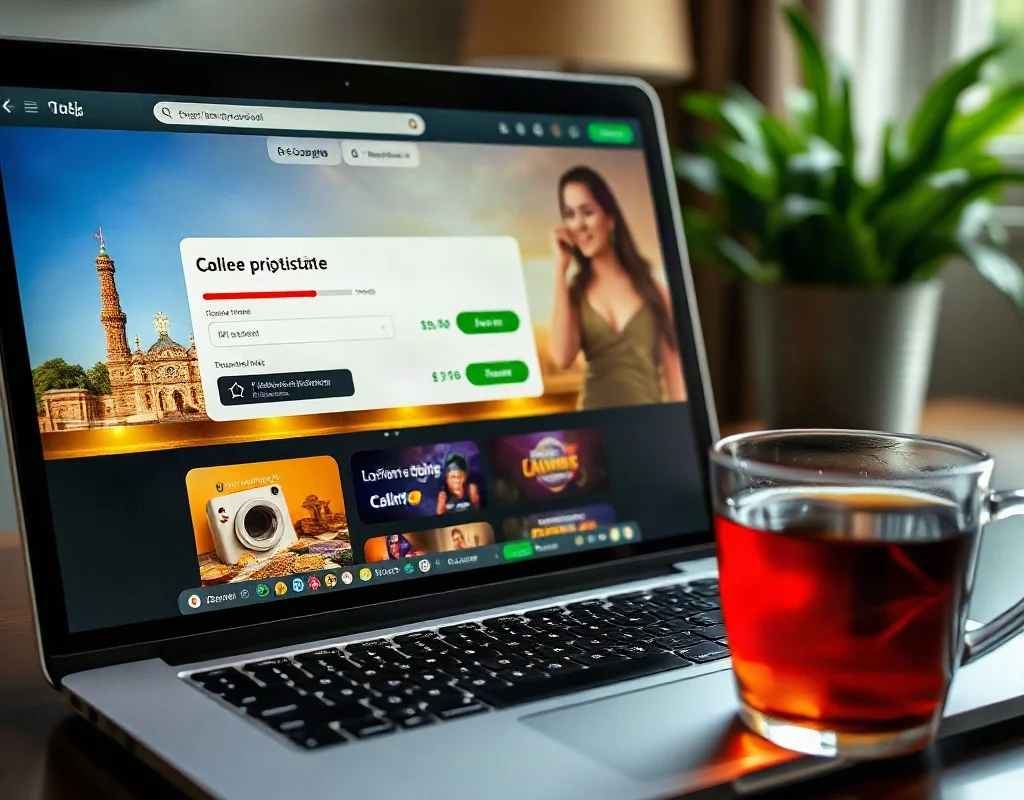
Self-Exclusion and Setting Limits: Tools for Safer Play
One of the most effective strategies for maintaining control is the use of self-imposed limits. These are not just arbitrary numbers; they are a contract with yourself that you establish during a calm, rational state of mind. The beauty of these tools is that they lock in your decisions even when you are in the heat of the moment, angry after an unexpected loss or ecstatic after a huge win. In the context of responsible gambling in Pakistan, where regulators are absent, these self-imposed limits act as your personal law enforcement.
The first type of limit is the deposit limit. This restricts how much money you can add to your betting account over a specific timeframe, usually daily, weekly, or monthly. If you know that your monthly entertainment budget is PKR 5,000, you set your limit to that amount. Once you have deposited that full amount, the casino or betting site will block further deposits until the period resets. This is a powerful barrier against the temptation to “just dip into” the electricity bill money. Similarly, a loss limit is crucial; it caps the amount you can lose in a single session, forcing you to walk away even if your initial budget has been blown.
Another potent tool is the time-out or cool-off period. This allows you to take a short break from gambling, ranging from a few hours to a few weeks. In Pakistan, where live streaming of cricket is readily accessible and betting lines change by the minute, it is easy to get hooked to a screen for entire days. A time-out forces you to disconnect. If you feel yourself getting too emotionally involved, or if you have just made a series of irrational bets, a time-out can help you reset your mental state. It puts distance between your impulse and your wallet.
Then we have the ultimate tool: self-exclusion. This is a formal process where you ask the gambling operator to permanently ban you from using their services for a specified period, often six months, a year, or even for life. In regulated markets, this is a legal agreement that the casino must honor. In the offshore world that serves Pakistani players, self-exclusion is often a voluntary feature that sites provide to show they care about player protection. If you feel that you have lost control and cannot stop yourself, activating self-exclusion is a major step. It acknowledges that your willpower is not enough and brings in external barriers to keep you away. For responsible gambling in Pakistan, this is the strongest safeguard available, even if it means missing out on a future big win that you might have had if you stayed active.

Recognizing the Signs of Problem Gambling
Understanding the psychology of addiction is key to preventing it. Problem gambling, also known as gambling disorder or compulsive gambling, is a recognized mental health condition. It often starts subtly, and the person affected is usually the last one to realize they have a problem. Being able to spot these signs in yourself or in a loved one is the first step toward recovery. The signs are not always about the amount of money lost; they are often more about the behavior and the negative consequences that follow.
One of the most common early signs is chasing losses. This is the irrational belief that if you just keep betting, you will win back what you have lost. It leads to larger and larger wagers to try and recover the initial loss. For example, you lose PKR 2,000 on a football match in the English Premier League. Instead of accepting the loss, you immediately place a double or triple bet on the next match to try and win it all back. This cycle is called “tilting” and it is a textbook sign of losing control. Another behavioral red flag is lying about gambling habits to family and friends. If you are hiding your betting activity or lying about the extent of your losses, it usually indicates that you know on some level that your behavior is problematic.
Financial indicators are also very telling. If you are borrowing money to gamble, selling personal items, or using funds meant for rent, bills, or school fees to place bets, you have crossed the line. Gambling becomes a problem when it interferes with your basic financial obligations. Additionally, you might notice that your relationships are suffering. You might argue with your spouse about money, miss work because you were up all night betting, or lose interest in hobbies that used to bring you joy. These are not signs of “bad luck”; they are signs of an addiction pattern.
It is important to distinguish between casual gambling and problem gambling. Many people can bet on a few matches during the World Cup and then stop without any issue. However, for a significant percentage of individuals, gambling activates the same reward centers in the brain as drugs or alcohol. The line is crossed when gambling is no longer just a part of your life but has become the center of it. If your mood depends on the outcome of a bet, and your happiness is tied to winning or fearing loss, it is time to take a hard look at your habits. Recognizing these signs early, before the financial and emotional damage becomes severe, is one of the most critical aspects of responsible gambling in Pakistan.

Where to Seek Help: Support Resources in Pakistan
One of the most difficult challenges regarding responsible gambling in Pakistan is the lack of localized, formal support systems. There are no widely advertised government-funded gambling addiction hotlines in Pakistan because gambling itself is illegal. However, this does not mean help is unavailable. It just means that you have to know where to look, and you often have to rely on international organizations and private mental health professionals.
If you ever gamble online at reputable international sites that hold licenses from places like the UK Gambling Commission or the Malta Gaming Authority, they are required to provide links to help organizations. The most prominent of these is GamCare, a UK-based charity that offers free, confidential support and advice for anyone affected by problem gambling. You can call their hotline (even from Pakistan via international dialing) or use their 24/7 online chat service. They won’t ask you about your visa status or your citizenship; they simply provide professional advice and a listening ear. Another excellent resource is Gamblers Anonymous, a worldwide fellowship of men and women who share their experiences and support each other in recovering from gambling problems. While physical meetings are rare in Pakistan, they do hold online meetings via Zoom, which you can join from the privacy of your home.
Locally, you can look for private psychologists and psychiatrists who specialize in addiction. In major cities like Karachi, Lahore, and Islamabad, there are practicing mental health professionals who are very familiar with gambling addiction, even if it is not widely discussed. A quick search on local therapy directories or a consultation with a general physician can connect you to a specialist. Therapy, particularly Cognitive Behavioral Therapy (CBT), has been shown to be highly effective in treating gambling addiction. It helps you identify the distorted thoughts that drive you to gamble and gives you practical tools to change those patterns.
There is also the option of speaking to family or religious leaders. In a society where honor and reputation are highly valued, it takes immense courage, but finding a trusted confidant can provide a crucial emotional anchor. You can also take proactive steps like putting a blocking app on your phone. Software like BetBlocker is free and allows you to block thousands of gambling sites globally for a set period. Similarly, you can ask a friend or family member to manage your finances for a while, removing your access to credit cards and digital wallets. This is not about being weak; it is about creating distance between the impulsive urge and the act of placing a bet. Taking these steps, even during a crisis, is the most honest and effective form of responsible gambling in Pakistan.

Tips for Maintaining a Healthy Relationship with Gambling
If you have decided that you want to gamble occasionally as a form of entertainment, there are practical rules you can adopt to keep it from spiraling out of control. These rules form the backbone of responsible gambling in Pakistan. The first and most important rule is to set a budget and treat it as a sunk cost. Once you have decided that you can afford to “lose” PKR 1,000 for the week, that money is gone. You do not think of it as points in a savings account. When it is gone, the session ends. Do not carry credit cards to your betting session; use a prepaid digital wallet card where you have loaded only your entertainment budget.
The second rule is to never gamble when you are emotional. Whether you are feeling sad, angry, or overly excited, your judgment is impaired. Research shows that people make riskier bets when they are in a heightened emotional state. If you have had a fight at work or you are celebrating a promotion, stay away from the betting apps. Make decisions about your gambling budget and limits during a neutral, calm time, and always stick to what you decided earlier. Take frequent breaks to keep your mind clear. If you have been on a betting platform for more than an hour, you are likely experiencing “tilt” — a state where your logical thinking shuts down and you rely on gut instinct. A 15-minute walk outside can reset your perspective.
Do not mix gambling with alcohol or drugs. This is a cardinal rule. Substance use lowers your inhibitions and significantly reduces your ability to make smart financial decisions. A single night of heavy drinking can wipe out a month’s savings in a reckless betting spree. If you are in a social setting where drinks are flowing and a friendly bet is being proposed, politely decline. Your mental clarity is your only protection.
Another crucial tip is to track your play. Keep a simple ledger of your deposits and withdrawals. Most online platforms have a transaction history. Review it monthly. If you see that your expenses are consistently outpacing your budget and you are finding it hard to stop, what you are experiencing is not a “bad streak”; it is a developing problem. By tracking the data, you are using logic to fight the emotional pull of gambling. This data-driven approach gives you an objective view of your behavior, which is essential for maintaining a healthy relationship with gambling, whether you are betting on the Karachi Kings or a European football league.

The Future of Responsible Gambling in Pakistan
The landscape of gambling in Pakistan is changing rapidly. While the traditional forms of gambling are banned under the penal code, there are ongoing discussions about the legalization of a lottery system and even debates about taxing online gaming. The shift in the digital economy means that even if the law does not change, more and more Pakistani citizens will be engaging with offshore gambling sites via their mobile phones. As a result, the conversation around responsible gambling in Pakistan is becoming more relevant, not less, as the activity continues to grow in popularity.
There is hope that with increased digital literacy, there will be a greater awareness of the risks. Young Pakistanis, who are the most tech-savvy and the most likely to bet online, are also receiving more exposure to global conversations about mental health and addiction. This generation is more willing to discuss gambling addiction openly than their parents’ generation was. We are starting to see local non-profits and digital campaigns emerging that focus on digital wellness and financial literacy. These organizations are beginning to include gambling addiction as a topic alongside other financial crises like excessive consumer debt.
However, the biggest change needs to come from the gambling operators themselves. Because they operate in a grey market, they are not technically legally bound to protect Pakistani consumers. However, as the industry matures, competition heats up. Players will start to prefer platforms that offer solid responsible gambling features over those that just throw aggressive bonuses at them. The ones that offer easy-to-use deposit limits, self-exclusion options, and cold-water check-ins (like “Are you still there? Take a break.” warnings) will gain a reputation for being trustworthy.
The onus is also on the government and financial institutions in Pakistan to step up. Development of local regulations that acknowledge the reality of online gambling while providing a framework for harm reduction would be a monumental step. Taxing the billions in bets placed by Pakistanis globally would generate revenue that could fund addiction treatment centers. But until then, the power lies with the individual player. You have to be your own hero. You have to set your limits, recognize your triggers, and have the courage to ask for help when you need it. Your well-being is the ultimate prize, and you cannot cash it in.
Warning: Please Gamble Responsibly
Before you log in to any betting site, remember these final rules: set a loss limit and never exceed it, do not chase your losses, and understand that betting is entertainment, not an income strategy. Gambling should never come before rent, food, utilities, or money for your children. If you feel stressed, frustrated, or anxious, step away. If you suspect you have a problem, speak to a trusted friend or a professional today. No win is worth losing your mental peace, your family, or your financial stability. Play smart, and know when to stop.
Final Takeaway: Responsible gambling in Pakistan is not a luxury—it is a necessity. Because the regulatory environment offers players very little external protection, building your own safety framework is the most important thing you can do. Start by setting strict budgets, use every tool the platform offers to limit your play, and check honesty with yourself about why you are betting. If you ever feel that you are slipping out of control, put your pride aside and seek help immediately. There are resources out there like GamCare and Gamblers Anonymous online meetings, and speaking to a certified therapist in Karachi, Lahore, or Islamabad might be the best investment you ever make. Remember to only ever wager money you can truly afford to lose—and always prioritize your health and happiness over any potential jackpot.